
ADVERTISEMENT
Tech
Fiber-Optic FPV Drones Are Changing the Future of Modern Warfare
Fiber-optic FPV drones are emerging as one of the most advanced technologies in modern combat zones. Unlike traditional drones that rely on radio signals, these systems use fiber-optic cables for communication, making them far more resistant to electronic jamming and interference
World | May 14, 2026 | 1-2 min read | By Super Admin
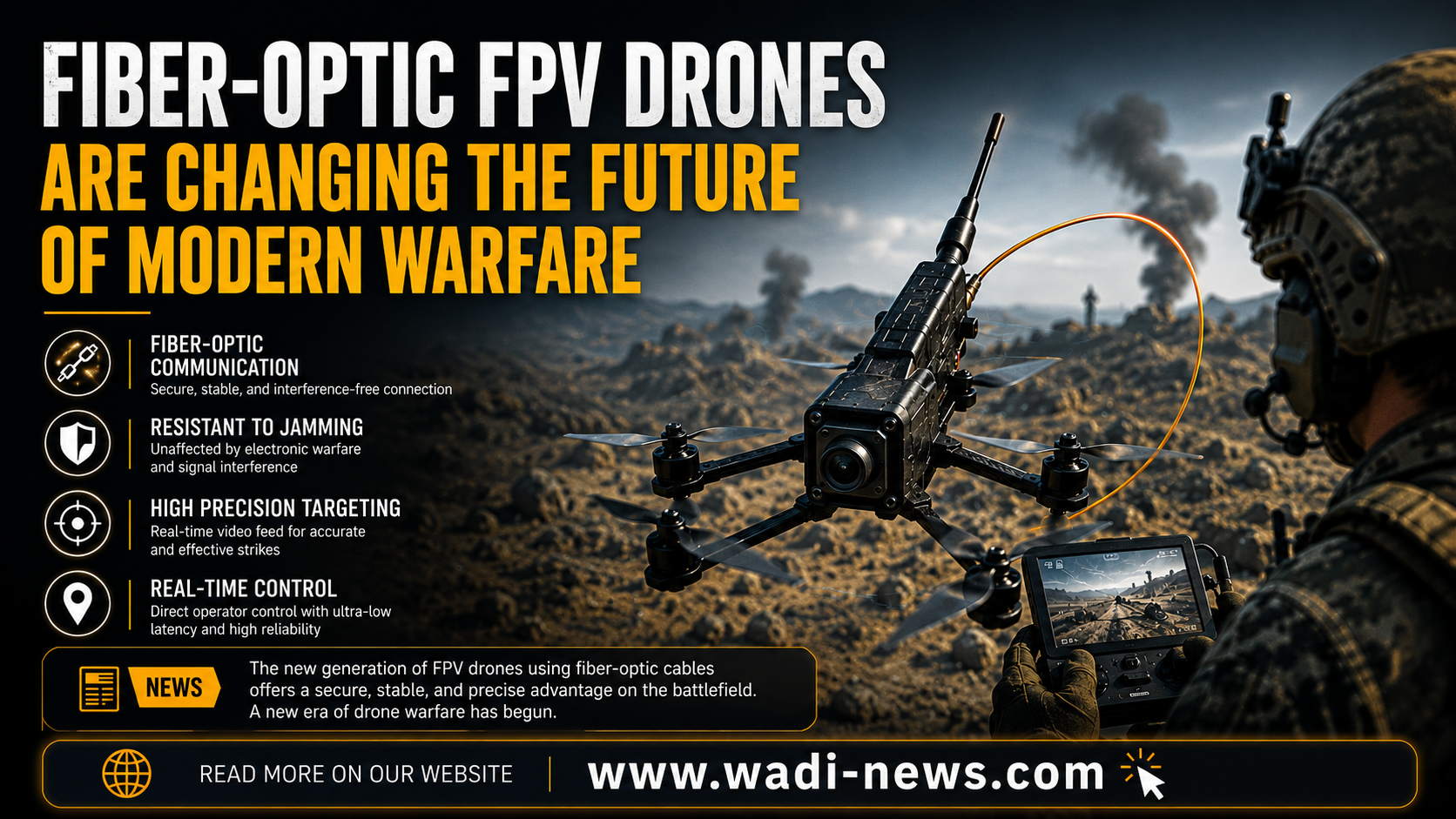
Modern warfare continues to witness rapid developments in drone technology, particularly with the rise of FPV (First Person View) drones used for reconnaissance and precision strikes. Recently, a new generation of FPV drones powered by fiber-optic communication has gained significant attention among military analysts.
Unlike conventional drones that operate through wireless radio frequencies, fiber-optic FPV drones remain connected to the operator through an ultra-thin cable. This direct connection allows the drone to avoid electronic jamming, one of the most common tactics used in modern battlefields to disrupt unmanned systems.
Military experts believe this technology provides a major tactical advantage, especially in areas where electronic warfare plays a critical role. The drones can deliver highly accurate targeting capabilities while maintaining a stable and uninterrupted connection with the operator.
However, despite their advantages, fiber-optic drones also come with limitations. Their operational range depends on the length of the fiber cable, and the cable itself may become vulnerable to damage or disconnection during combat operations.
As global military technologies continue to evolve, analysts expect fiber-optic FPV drones to become increasingly important in future conflicts, particularly in environments where electronic interference is widespread.