
ADVERTISEMENT
Economy
Iran War Turmoil Saps Asian Reserves with Philippines and India Hit Most
The ongoing conflict in the Middle East, particularly the Iran war, has led to a significant decline in foreign-exchange reserves across Asia, with the Philippines and India facing the brunt of the impact.
May 14, 2026, 5:18 PM | 1-2 min read | By Wadi News Editorial Team
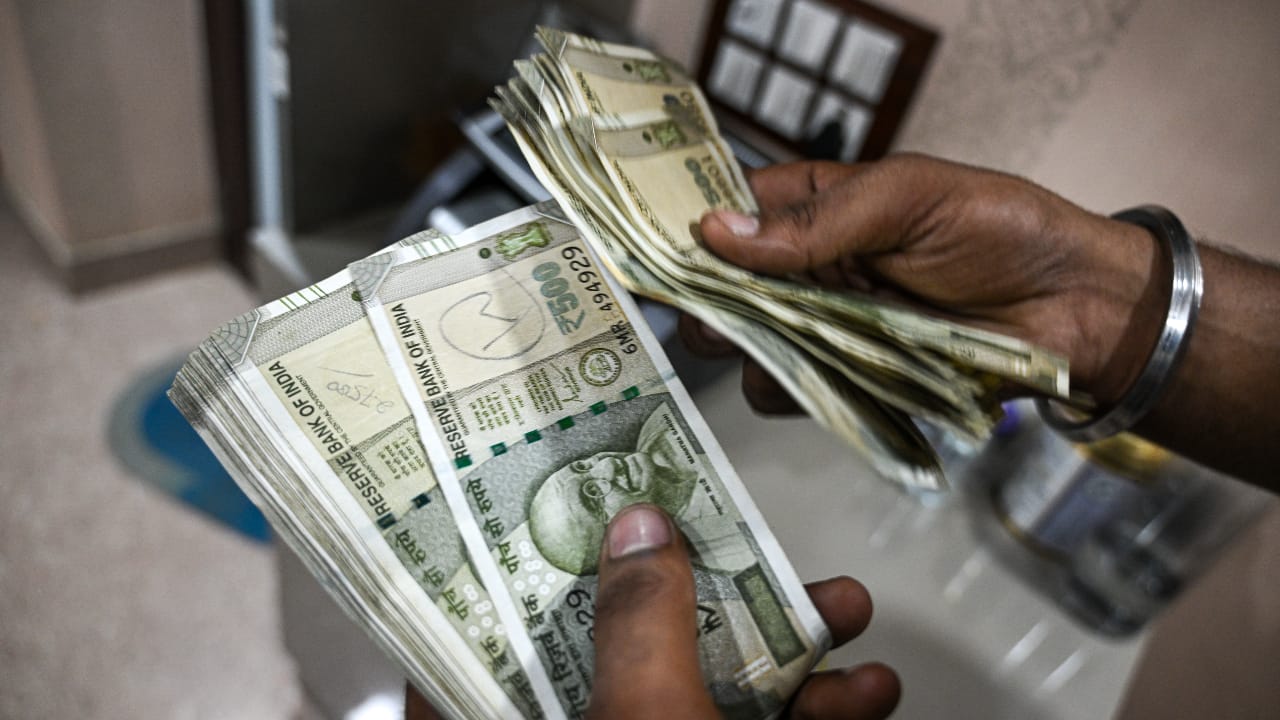
The recent turmoil stemming from the Iran war has had far-reaching implications for Asian economies, particularly those heavily reliant on energy imports. As the conflict escalates, foreign-exchange reserves in several Asian countries are witnessing a sharp decline. This situation is primarily driven by the need for policymakers to allocate funds to stabilize their currencies in the face of soaring oil prices. The Philippines has emerged as the most affected nation, with its foreign reserves plummeting by 8.1% since the onset of the conflict. This decline not only reflects the immediate financial strain but also raises concerns about the long-term economic stability of the region.
India, another major player in the Asian economy, is also feeling the effects of this crisis. The country has seen a significant reduction in its foreign-exchange reserves as it grapples with the dual challenge of rising oil prices and a depreciating currency. The Indian government is under pressure to implement measures that can mitigate the impact of these external shocks. Analysts warn that if the situation does not improve, it could lead to broader economic repercussions, including inflation and reduced growth prospects.
The reliance on energy imports makes these countries particularly vulnerable to geopolitical tensions. As oil prices continue to rise due to the ongoing conflict, the financial burden on these nations increases. Policymakers are faced with difficult choices, balancing the need to support their currencies while also ensuring that domestic economic growth is not stifled. The situation is further complicated by the global economic landscape, where uncertainties abound, and external factors can quickly shift the balance.
In conclusion, the turmoil caused by the Iran war is a stark reminder of the interconnectedness of global economies. The decline in foreign-exchange reserves in Asia highlights the vulnerabilities that arise from dependency on energy imports. As countries like the Philippines and India navigate these turbulent waters, the focus must remain on developing strategies that enhance economic resilience and reduce reliance on external factors. The path forward will require careful planning and coordination among policymakers to safeguard their economies against future shocks.