
ADVERTISEMENT
Politics
China’s Criticism of Israel is No Longer Just Perfunctory
China's relations with Israel are deteriorating amid the ongoing Middle East conflict, as Beijing takes a firmer stance against Israeli actions and strengthens ties with Iran.
Arab World | May 10, 2026 | 1-2 min read | By Wadi News AI
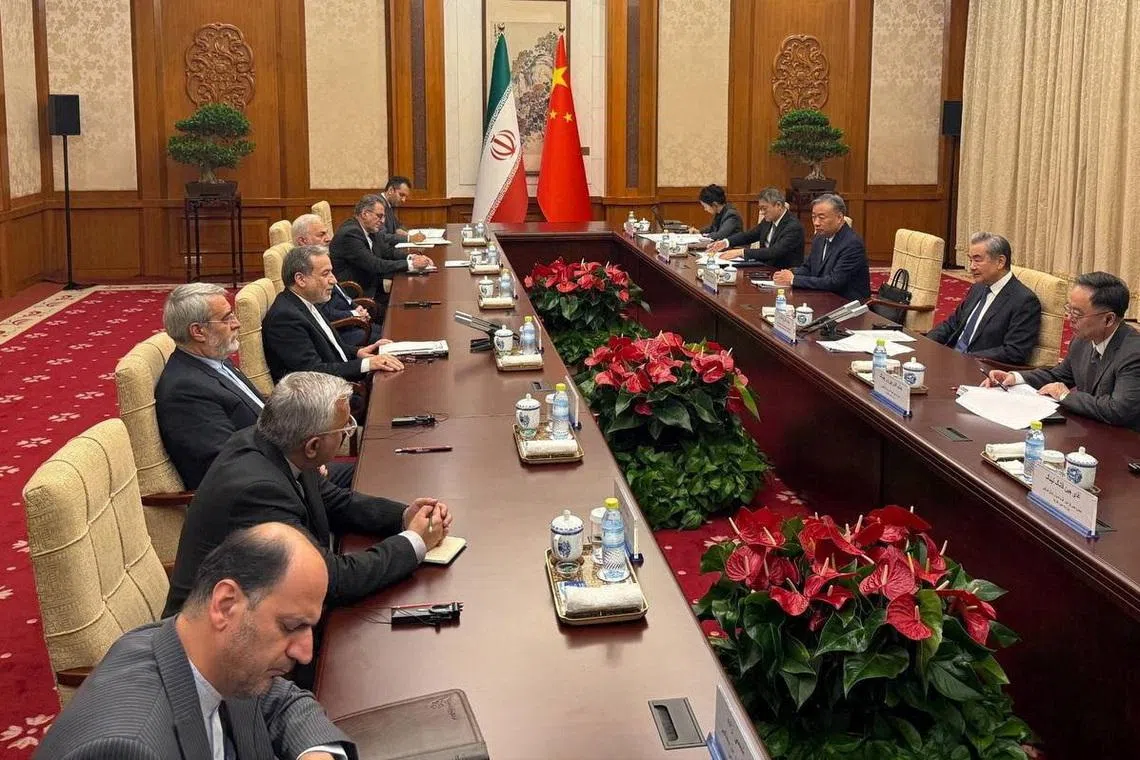
In recent developments, China's diplomatic stance towards Israel has shifted significantly, reflecting a deeper engagement in the Middle East conflict. Chinese Foreign Minister Wang Yi has publicly condemned what he describes as 'warmongering by the US and Israel.' This marks a notable change from China's traditionally cautious approach, where it maintained a low profile amidst the escalating tensions between Iran, the United States, and Israel. The shift in rhetoric comes after a meeting with Iranian Foreign Minister Abbas Araghchi, where Wang Yi expressed solidarity with Iran and criticized the actions of Israel.
The deterioration of China-Israel relations is further exacerbated by China's growing ties with Iran and its support for the Palestinian cause. Recently, Beijing classified Israel as a 'high-risk area,' which effectively halts new Chinese investments in the country. This classification indicates a significant shift in China's foreign policy, as it aligns itself more closely with nations opposing Israeli actions. The implications of this shift are profound, as it not only affects bilateral relations but also has potential repercussions for China's broader geopolitical strategy, particularly regarding its interests in Taiwan.
Moreover, the recent visit of Israeli lawmakers to Taiwan has added another layer of complexity to the already strained China-Israel relations. This visit is perceived as a provocative move by Israel, which could lead to further diplomatic fallout. As Israel seeks to strengthen its ties with Taiwan, China views this as a direct challenge to its sovereignty and territorial claims. The strategic choices made by Tel Aviv in this context reflect a broader trend of realignment in international relations, where countries are increasingly forced to choose sides in the ongoing geopolitical conflicts.
In conclusion, the evolving dynamics of China-Israel relations highlight the complexities of international diplomacy in the context of the Middle East conflict. As China adopts a more assertive stance against Israel, the implications for regional stability and international alliances are significant. The intersection of these geopolitical tensions with China's interests in Taiwan further complicates the situation, suggesting that the future of China-Israel relations will be closely tied to developments in both the Middle East and East Asia.