
ADVERTISEMENT
Economy
Can Europe stand up to China on trade?
Trade relations between the EU and China have soured recently, with the EU aiming to reduce its reliance on Chinese goods and services amidst rising tensions.
Europe | May 8, 2026 | 1-2 min read | By Wadi News AI
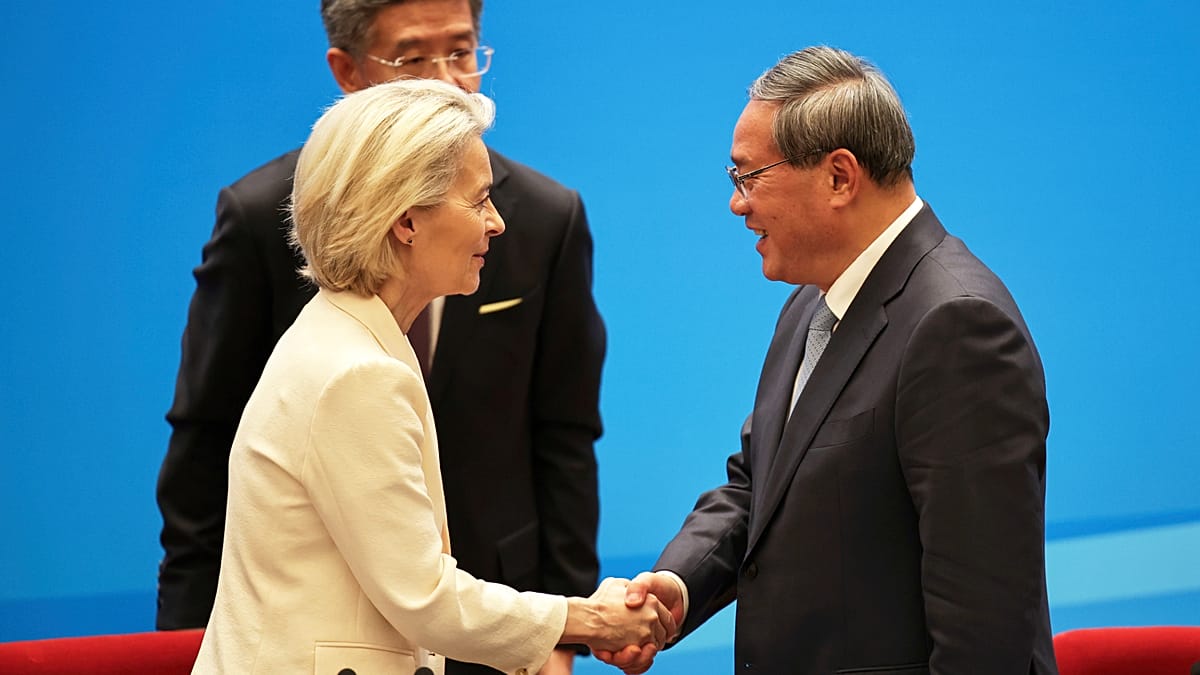
Trade relations between the European Union and China have deteriorated significantly in recent weeks. The EU is attempting to address its growing trade deficit with China while also reducing its dependence on key goods and services from the Asian giant. European leaders are increasingly concerned about what they perceive as unfair competition from China, which they believe is contributing to industrial challenges and job losses across Europe. In response to these challenges, the European Commission has introduced the Industrial Accelerator Act, aimed at enhancing the EU's industrial competitiveness. This act includes measures such as a 'Made in Europe' procurement process, which prioritizes European providers over those from third countries. Additionally, the act seeks to accelerate the decarbonization of energy-intensive industries and promote net-zero technologies.
China has reacted strongly to these developments, criticizing the EU's plans as discriminatory and warning that it may take countermeasures. EU Trade Commissioner Maroš Šefčovič has firmly stated that the EU will not back down from its plans to strengthen its industrial policy and will defend European jobs and companies against unfair treatment. The current situation raises the question of which side will yield first in this escalating trade conflict between two of the world's largest economies.
The trade relationship between the EU and China is substantial, with the EU being China's largest trading partner and China being the EU's third-largest trading partner after the US and UK. As of 2026, both economies together account for approximately a third of global GDP and a significant portion of global trade. In 2025, the EU exported nearly €200 billion worth of goods to China while importing over €550 billion, resulting in a trade deficit of nearly €360 billion. This imbalance has prompted EU leaders to seek ways to diversify supply chains and reduce reliance on Chinese imports, particularly in critical sectors such as technology and green energy.
Despite ongoing complaints about China's state-run economic model and its impact on European industries, EU member states have struggled to present a unified strategy to counteract these challenges. Recent trade agreements with countries like India and Indonesia aim to lessen dependence on China and the US. However, the complexities of international trade, especially in light of the US-China trade tensions, have led many European leaders to reconsider their approach to China. High-profile visits by European leaders to China indicate a desire to maintain strong ties while navigating the challenges posed by the growing trade deficit. As discussions continue regarding the EU's trade stance, the need for a cohesive strategy to address these issues has never been more pressing.