
ADVERTISEMENT
Economy
Africa Must Turn Heritage into Economic Powerhouse: Paul Mashatile Calls for Investment and Reform
Deputy President Paul Mashatile emphasizes the need for Africa to leverage its cultural and natural heritage as a driver of economic growth, urging for investment and reform.
May 6, 2026, 8:03 AM | 1-2 min read | By Wadi News Editorial Team
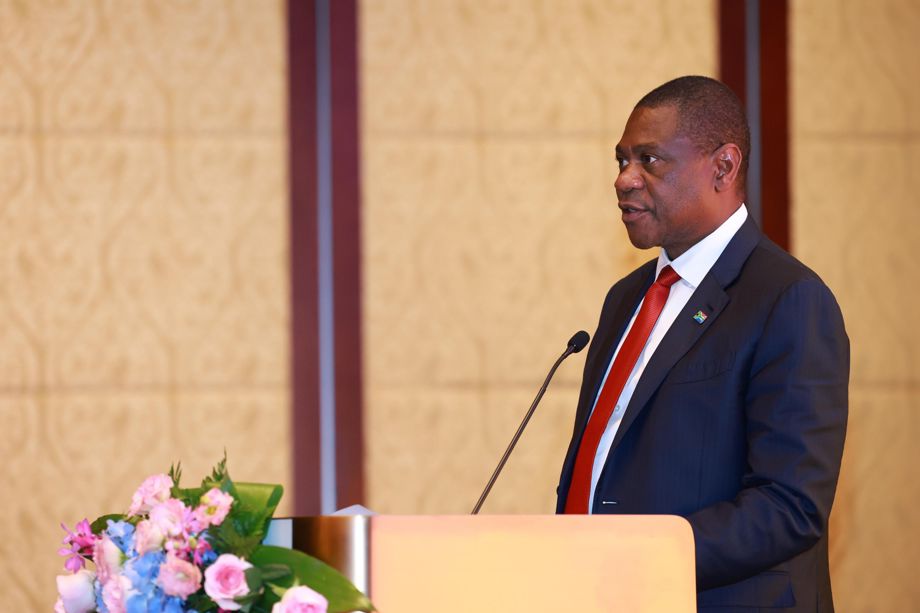
In a significant address marking the 20th anniversary of the African World Heritage Fund, Deputy President Paul Mashatile called for a transformative approach to Africa's vast cultural and natural heritage. He emphasized that heritage should not merely be preserved but actively utilized as a core driver of economic growth. Mashatile's remarks came during the 10th African World Heritage Day celebrations, where he urged governments and investors to recognize the untapped potential of Africa's heritage. He stated, 'Heritage cannot exist in isolation… It must speak the language of investment, sustainability, and economic growth. Let me be clear: heritage is an economic sector.' This statement underscores the need for a paradigm shift in how heritage is perceived and integrated into national economic strategies.
Mashatile highlighted the immense potential of Africa's heritage assets, which range from historical sites to natural landscapes, in driving tourism, job creation, and entrepreneurship. He pointed out that when managed effectively, heritage can enhance national identity and boost Africa's global competitiveness. Despite the existing contributions of heritage sites to local economies, such as providing livelihoods for guides and artisans, the sector remains underdeveloped. Mashatile's call to action emphasizes the importance of mobilizing resources and fostering partnerships to unlock this potential.
The African World Heritage Fund, which Mashatile described as a symbol of Africa's ownership of its heritage narrative, has played a crucial role in increasing the number of World Heritage sites across the continent. However, he acknowledged that significant challenges remain, including limited representation on the UNESCO World Heritage List and chronic underfunding of heritage initiatives. To address these issues, Mashatile proposed the establishment of a $25 million endowment fund aimed at securing long-term financial sustainability for heritage projects. He called for greater investment from development finance institutions and increased private sector participation to ensure the success of these initiatives.
In conclusion, Mashatile's address serves as a rallying cry for a continental movement to reposition heritage as a pillar of Africa's future. He urged stakeholders to integrate heritage into national and regional development frameworks, emphasizing that it should not be treated as a standalone cultural issue. By doing so, Africa can harness its rich heritage to foster economic growth, create jobs, and promote sustainable development. The Deputy President's vision is clear: Africa's past is not just a legacy to be preserved but a strategic asset to build a prosperous future.