
ADVERTISEMENT
Economy
Japan Offers Energy Loan and Ammonia Technology to South Africa
Japan is set to accelerate discussions with South Africa regarding a yen-denominated energy loan while introducing its ammonia blending technology aimed at reducing carbon emissions.
May 6, 2026, 8:03 AM | 1-2 min read | By Wadi News Editorial Team
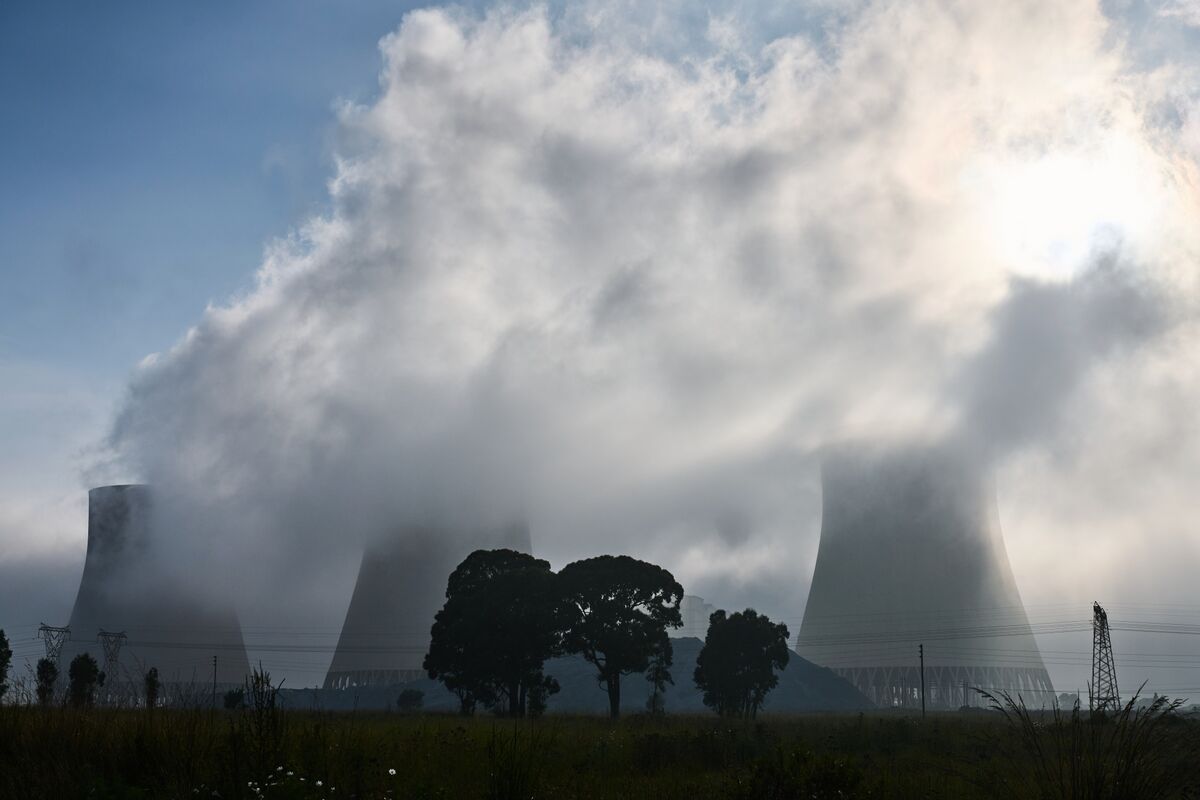
Japan is taking significant steps to address energy challenges in South Africa by proposing a yen-denominated energy loan. This initiative is part of Japan's broader strategy to enhance its influence in the African energy sector while promoting sustainable practices. The discussions are expected to focus on the integration of advanced technology that blends ammonia with coal, a method that could significantly reduce carbon emissions. South Africa, which relies heavily on coal for electricity generation, stands to benefit from this technology as it seeks to transition towards cleaner energy sources.
The proposed loan and technology transfer come at a crucial time for South Africa, which is grappling with energy shortages and the need to meet international climate commitments. By adopting ammonia blending technology, South Africa could not only reduce its carbon footprint but also improve the efficiency of its coal-fired power plants. This aligns with global efforts to combat climate change and demonstrates Japan's commitment to supporting developing nations in their energy transitions.
Moreover, the partnership between Japan and South Africa could pave the way for further collaborations in renewable energy and technology sharing. Japan has a wealth of experience in energy efficiency and innovation, and its involvement could help South Africa leapfrog to more sustainable energy solutions. The discussions are anticipated to cover various aspects, including financial terms, technology transfer mechanisms, and timelines for implementation.
In conclusion, Japan's offer of an energy loan and ammonia technology to South Africa represents a significant opportunity for both nations. It not only addresses immediate energy needs but also contributes to long-term sustainability goals. As the world moves towards greener energy solutions, such partnerships will be crucial in ensuring that developing countries can meet their energy demands while adhering to environmental standards.