
ADVERTISEMENT
Politics
Rooftop Waterlogging After Rains Raises Malaria Alarm
Persistent rooftop water stagnation in Bengaluru after heavy rains is raising alarms about potential malaria outbreaks.
World | May 3, 2026 | 1-2 min read | By Wadi News AI
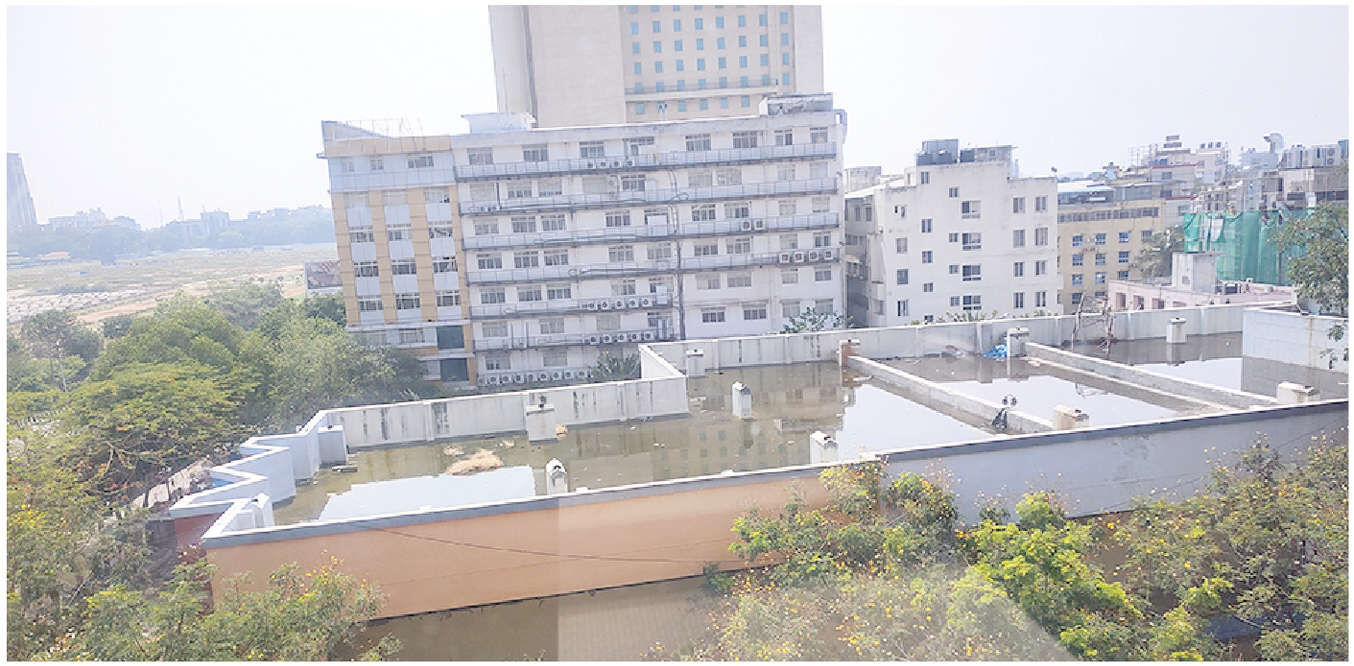
Bengaluru has recently experienced a significant amount of rainfall, which, while providing relief from the oppressive heat, has also led to an alarming public health issue. The heavy rains have resulted in water stagnation on rooftops across the city, creating ideal breeding conditions for malaria-carrying mosquitoes. Experts from the National Institute of Malaria Research have raised concerns about the potential increase in malaria cases, particularly those caused by the vivax and falciparum strains of the parasite. This situation poses a serious risk to public health, especially in urban areas where mosquito populations can thrive in stagnant water.
The stagnant water on rooftops is not just an inconvenience; it is a breeding ground for mosquitoes that can transmit malaria. With the onset of the monsoon season, the risk of malaria outbreaks increases significantly. Health officials are urging residents to take preventive measures, such as regularly checking and clearing rooftops of stagnant water. The presence of waterlogged areas can lead to a spike in mosquito populations, which in turn raises the likelihood of malaria transmission among the local population.
In addition to the immediate health risks, the economic implications of a malaria outbreak can be severe. Increased healthcare costs, loss of productivity due to illness, and the strain on public health resources can have lasting effects on the community. Therefore, it is crucial for both individuals and local authorities to take proactive steps in managing water stagnation and controlling mosquito populations. Public awareness campaigns and community engagement are essential in addressing this growing concern.
As Bengaluru continues to grapple with the effects of climate change and urbanization, the need for effective mosquito control measures becomes increasingly urgent. Residents are encouraged to participate in local health initiatives aimed at reducing mosquito breeding sites. By working together, the community can mitigate the risks associated with malaria and ensure a healthier environment for all. The time to act is now, as the rainy season progresses and the threat of malaria looms larger.