
ADVERTISEMENT
Fun
7,000-Year-Old DNA in Morocco Reveals Origins of North African Farming
Recent research in paleogenomics has uncovered significant insights into the origins of farming in North Africa, challenging long-held beliefs about the Neolithic Revolution.
Morocco | May 3, 2026 | 1-2 min read | By Wadi News AI
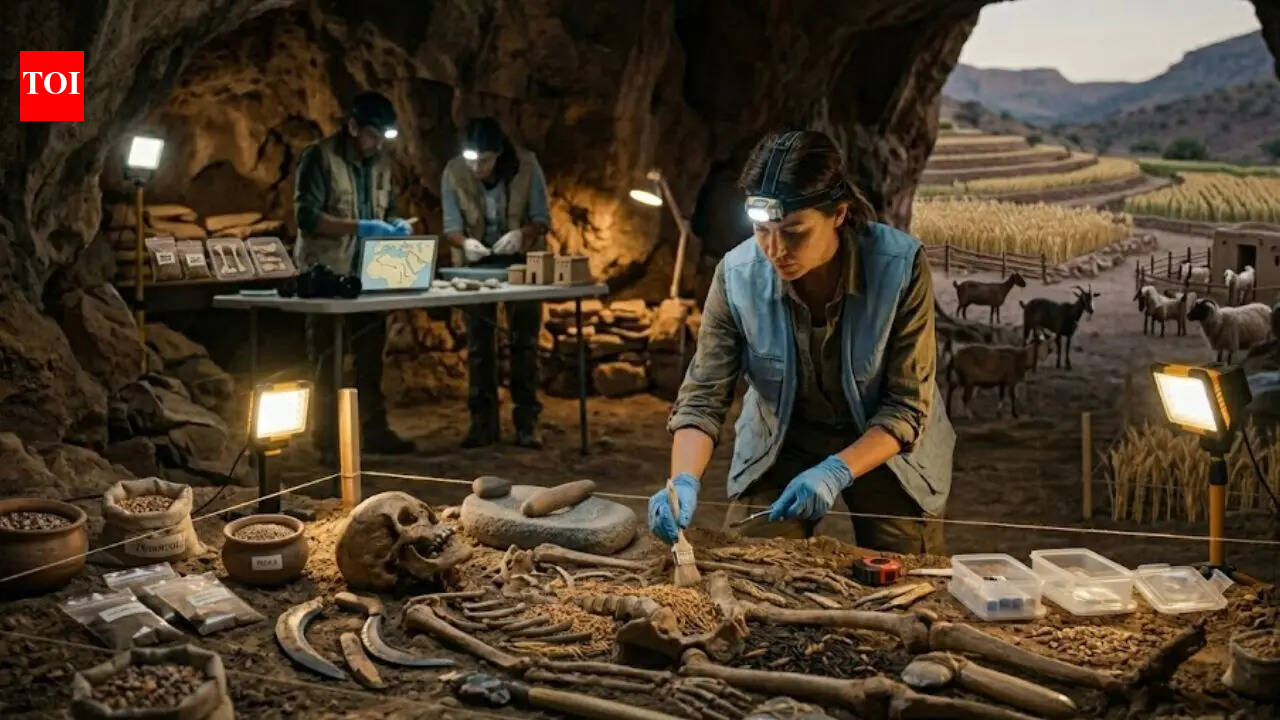
The Neolithic Revolution, a pivotal moment in human history, has long been a subject of intense debate among historians and archaeologists. Central to this discussion is the question of whether agriculture developed independently in various regions or if it was the result of large-scale migrations. Recent research published in the journal Nature has provided new insights into this debate, particularly focusing on North Africa. Scientists have analyzed DNA samples that are approximately 7,000 years old, extracted from ancient remains found in Morocco. This groundbreaking study suggests that the origins of farming in North Africa may be more complex than previously thought.
The research team utilized advanced paleogenomic techniques to examine the genetic material from these ancient samples. Their findings indicate that the early farmers in North Africa were not solely descendants of local hunter-gatherer populations, but rather a mix of various groups, including those who migrated from the Near East. This revelation supports the theory that the spread of agriculture was influenced by both local developments and external migrations. The implications of this study extend beyond just the origins of farming; they also provide a deeper understanding of the social and cultural exchanges that occurred during this transformative period.
Moreover, the study highlights the importance of Morocco as a key location in the narrative of agricultural development in North Africa. The region's unique geographical and climatic conditions may have played a significant role in shaping the agricultural practices of early societies. By examining the genetic diversity present in ancient populations, researchers can better understand how these early farmers adapted to their environment and what crops they cultivated. This research not only sheds light on the past but also raises questions about the future of agriculture in the region, especially in the context of climate change and modern farming practices.
In conclusion, the findings from this study challenge traditional views of the Neolithic Revolution in North Africa. They emphasize the need for a more nuanced understanding of how agriculture developed in the region. As researchers continue to explore the genetic history of ancient populations, we can expect to gain further insights into the complexities of human development and the interconnectedness of different cultures throughout history.