
ADVERTISEMENT
Politics
Rights Summit in Zambia Canceled Due to Chinese Pressure
An international human rights conference in Zambia was canceled after Chinese pressure led to the exclusion of Taiwanese activists.
Africa | May 3, 2026 | 1-2 min read | By Wadi News AI
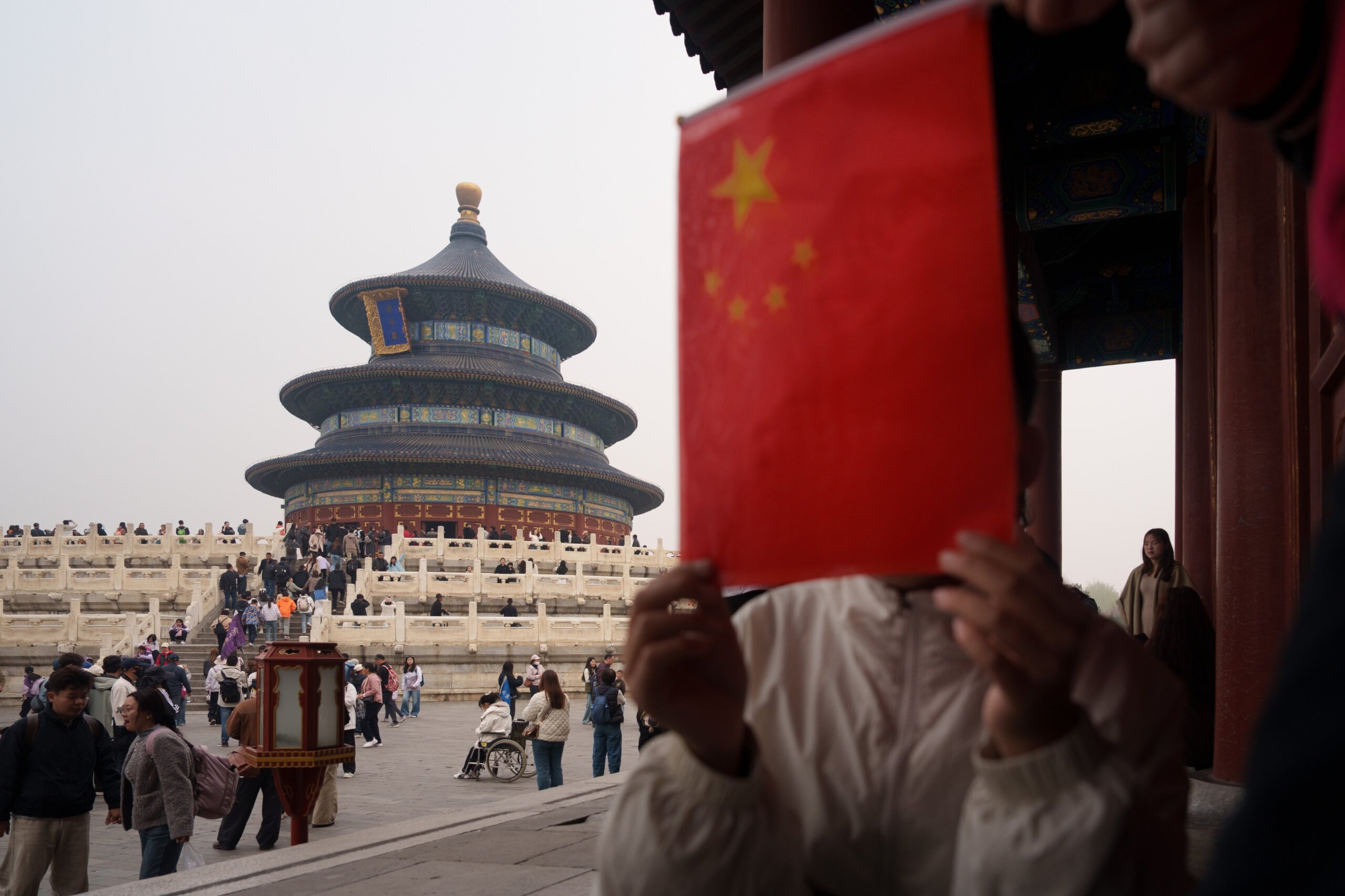
CAPE TOWN, South Africa (AP) — The organizers of an international human rights conference based in the United States announced the cancellation of the event just days before it was scheduled to commence. The decision came in response to significant pressure from China, which insisted that the African host nation, Zambia, exclude Taiwanese activists from participating. This incident highlights the ongoing tensions surrounding Taiwan's international presence and the influence of China in diplomatic matters.
The conference, which was expected to draw attention to various human rights issues, was seen as a crucial platform for activists from around the world. However, the intervention by China has raised serious concerns about the ability of international organizations to operate freely in regions where geopolitical interests are at play. Access Now, the organization behind the summit, expressed disappointment over the cancellation, emphasizing the importance of inclusivity in discussions about human rights.
In recent years, China has increasingly exerted its influence over countries that have diplomatic relations with Taiwan, often pressuring them to limit or eliminate any engagement with Taiwanese representatives. This strategy has been particularly evident in international forums where Taiwan's participation is viewed as a challenge to China's claims over the island. The cancellation of the Zambia summit serves as a stark reminder of the challenges faced by activists who seek to address human rights abuses in a climate of political pressure.
As the global community continues to grapple with issues of human rights, the implications of this cancellation extend beyond the immediate disappointment of the organizers and participants. It raises questions about the future of international cooperation on human rights and the extent to which political pressures can shape the discourse. The situation in Zambia is a microcosm of a larger struggle for recognition and rights that many activists face in the current geopolitical landscape.