
ADVERTISEMENT
Politics
Pro-Russian Activist Kémi Séba Arrested in South Africa
Kémi Séba, a pro-Russian activist wanted in Benin for allegedly supporting a failed coup, has been arrested in South Africa and is set to appear in court.
Africa | May 1, 2026 | 1-2 min read | By Wadi News AI
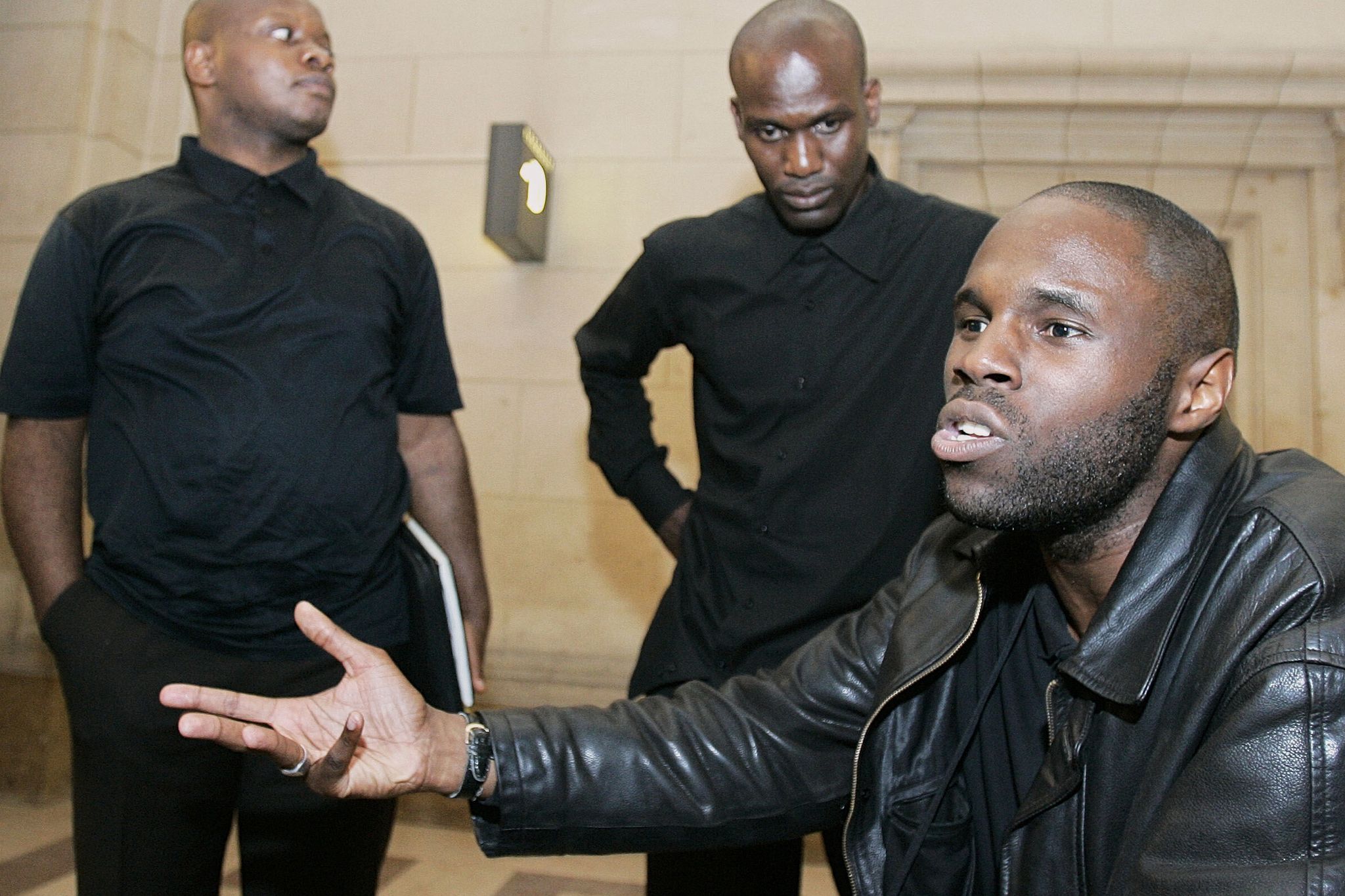
Kémi Séba, a prominent pro-Russian activist from Benin, has found himself at the center of international attention following his arrest in South Africa. Accused of supporting a failed coup in Benin, Séba was apprehended alongside his son. His arrest has raised questions about the implications of his actions and the broader geopolitical context in which they occur. As a figure known for his controversial views, Séba's activities have sparked debates about foreign influence in African politics.
The charges against Séba in South Africa are separate from those in Benin, where he is wanted for allegedly backing a coup attempt. Reports indicate that he attempted to leave South Africa illegally, allegedly with the assistance of a member of a far-right nationalist group. This aspect of his case highlights the complexities of his political affiliations and the potential risks he poses to regional stability. The South African authorities have taken his case seriously, reflecting the growing concern over political extremism and its ramifications.
In court, Séba's defense team is expected to argue against the charges, claiming that his actions are politically motivated. The outcome of this case could have significant implications not only for Séba but also for the political landscape in Benin and beyond. Observers are closely monitoring the proceedings, as they may set a precedent for how similar cases are handled in the future. The intersection of politics and law in this instance underscores the challenges faced by governments in addressing dissent and maintaining order.
As the situation develops, many are left wondering about the future of pro-Russian activism in Africa and its potential impact on international relations. Séba's case serves as a reminder of the delicate balance between political expression and the rule of law. The coming days will be crucial in determining the trajectory of this high-profile case and its implications for the broader geopolitical climate in the region.