
ADVERTISEMENT
Politics
Tunisia: Energy Minister Dismissed Amid Controversy Over Solar Power Plants
Fatma Thabet Chiboub was dismissed following strong criticism of laws regulating concessions to foreign companies for solar power installations. A deputy condemned it as 'energy colonization'.
Tunisia | Apr 30, 2026 | 1-2 min read | By Wadi News AI
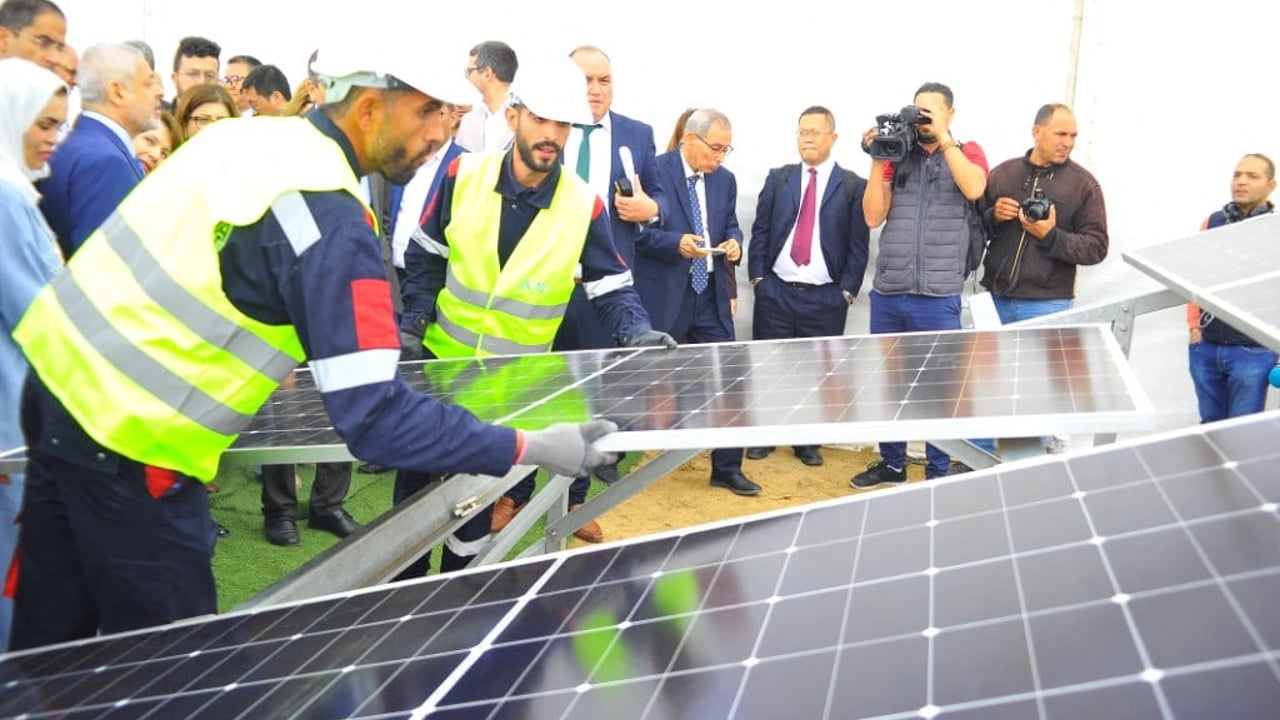
The Tunisian Minister of Energy and Industry, Fatma Thabet Chiboub, was dismissed on April 28, following a directive from President Kaïs Saïed. This decision came on the same day that the Parliament was set to examine controversial laws favoring the granting of concessions to foreign firms in the renewable energy sector, particularly for solar power installations. The dismissal was announced in a statement from the presidency, which provided no further explanations. This move follows intense criticism from union leaders and parliamentarians regarding five proposed laws approved by the government. These laws regulate the granting of concessions to foreign companies primarily for the installation of solar power plants.
According to these texts, foreign groups will be allowed to exploit the electricity produced for a period of twenty years, which can be renewed once for an additional ten years, under a tax exemption regime for the first five years. The energy produced will be sold to the state-owned electricity and gas company, Steg. In presenting these projects, the government claimed that they aimed to 'strengthen energy independence, ensure energy supply, and reduce electricity production costs'. Tunisia has very few hydrocarbon resources and imports most of its energy needs, which heavily burdens the state budget that subsidizes fuels, electricity, and gas. According to the Secretary of State for Energy Transition, Wael Chouchane, the share of renewable energy in electricity production reached 9% in April, with a target of 35% by 2030.
The government announced investment projects amounting to nearly 500 million euros for the installation of new photovoltaic plants with a combined capacity of 600 megawatts, which represents more than a quarter of the country's annual consumption. These projects are set to take place in marginalized regions with low growth but high solar potential, such as the Central and Southern regions. In a statement on Tuesday, the powerful UGTT union condemned the proposed laws as perpetuating dependence on foreign entities and undermining national sovereignty. The union demanded 'partnerships based on fairness and equity' between Steg and foreign groups.
Deputy Bilel El Mechri, who had previously criticized these laws as 'energy colonization', expressed satisfaction with the minister's dismissal, calling for her to be held accountable for compromising national sovereignty. Salah Eddine Zouari, the Minister of Equipment and Habitat, will serve as interim minister, according to the presidency. This political upheaval reflects the ongoing tensions in Tunisia regarding energy policy and foreign investment, as the country seeks to balance its energy needs with national interests.