
ADVERTISEMENT
Economy
Everything you need to know about OPEC — How does it affect oil prices?
The UAE's decision to leave OPEC raises questions about the future of oil production and pricing.
Apr 30, 2026, 10:57 AM | 3 min read | By Wadi News Editorial Team
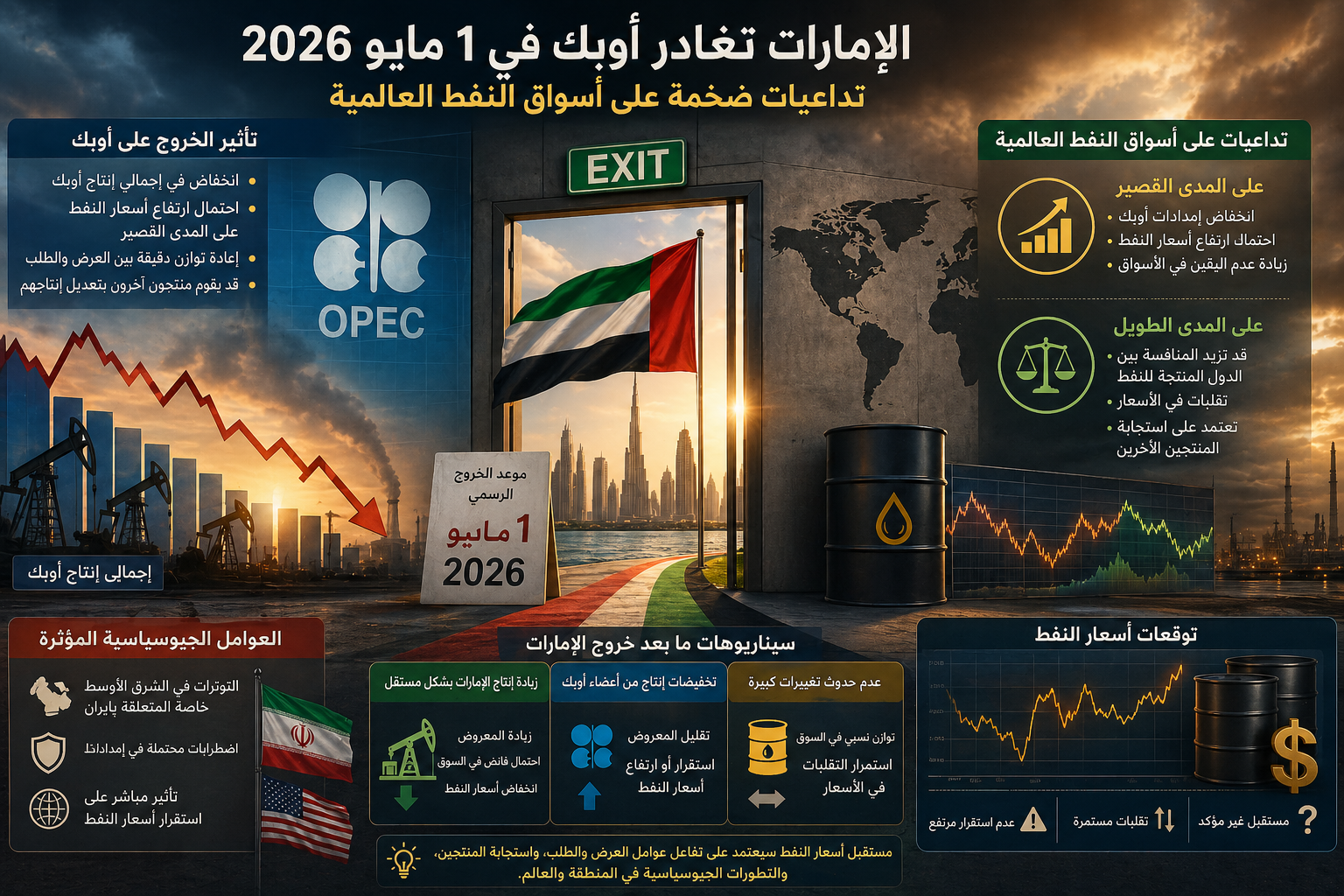
The United Arab Emirates (UAE) has made a significant announcement regarding its future in the oil-producing alliance known as OPEC. On Monday, the UAE declared that it would officially leave the organization on May 1, 2026. This decision is particularly noteworthy as the UAE is one of OPEC's largest producers and ranks as the fourth-largest producer within the OPEC+ coalition. The implications of this move are vast, not only for the UAE but also for global oil markets and pricing structures.
OPEC, which stands for the Organization of the Petroleum Exporting Countries, was established in 1960 with the aim of coordinating petroleum policies among member countries to ensure fair and stable prices for petroleum producers. The organization has evolved over the decades, and currently includes 12 member countries, primarily from the Middle East. The UAE's departure from OPEC could disrupt the delicate balance of oil production and pricing that the organization has worked to maintain.
Historically, OPEC has played a crucial role in regulating oil production to influence global oil prices. For instance, during the 1973 Arab-Israeli War, OPEC members imposed an oil embargo against nations supporting Israel, leading to skyrocketing oil prices and significant economic repercussions worldwide. Critics often argue that OPEC manipulates oil prices to its advantage, while the organization maintains that it merely seeks to balance supply and demand in the market.
As the UAE prepares to exit OPEC, analysts are closely monitoring how this will affect oil production levels and prices. The UAE has been a key player in OPEC, often collaborating with Saudi Arabia to manage production levels. With the ongoing geopolitical tensions, particularly the recent U.S.-Iran conflict, the UAE's oil production has already been impacted, leading to a decrease in its output. This situation raises concerns about the future stability of oil prices, especially as the global market continues to grapple with supply chain disruptions and fluctuating demand.
Impact on Global Oil Markets
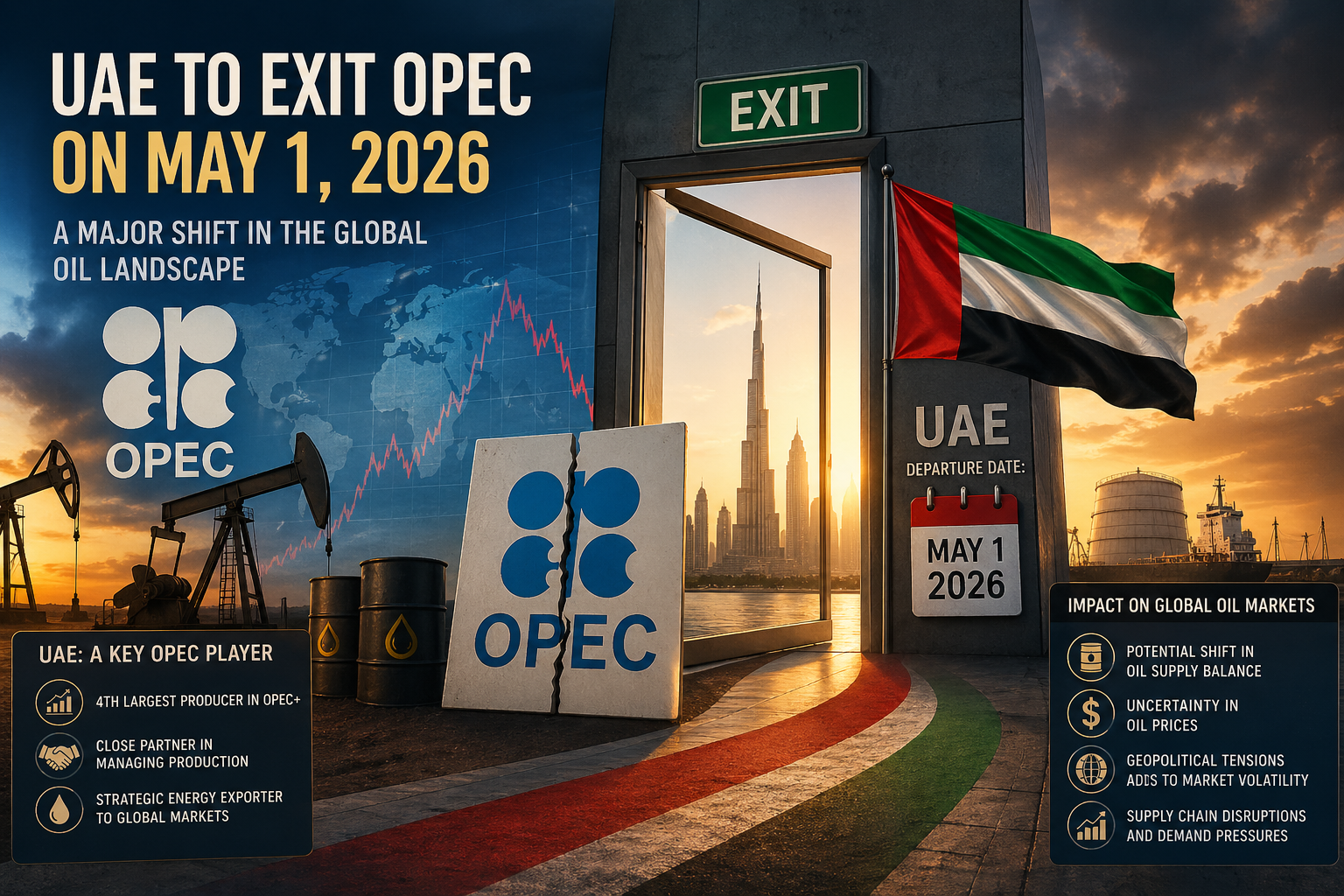
The exit of the UAE from OPEC is expected to have significant ramifications for global oil markets. As one of the leading producers, the UAE's decision could lead to a decrease in overall OPEC production, which may push oil prices higher in the short term. However, the long-term effects remain uncertain as other producers may adjust their output to compensate for the loss of UAE production. Analysts suggest that the UAE's departure could lead to increased competition among oil-producing nations, potentially resulting in price volatility.
Furthermore, the geopolitical landscape plays a crucial role in shaping oil prices. The ongoing tensions in the Middle East, particularly involving Iran, could further complicate the situation. If the UAE increases its production independently, it may lead to a surplus in the market, which could drive prices down. Conversely, if production cuts are implemented by other OPEC members in response to the UAE's exit, prices could stabilize or even rise. The interplay of these factors will be critical in determining the future of oil prices globally.