
ADVERTISEMENT
Politics
In Tunisia, the famous journalist Zied el-Heni placed in detention
Zied el-Heni, a well-known journalist critical of President Kaïs Saïed's policies, has been detained for allegedly harming the reputation of others.
Tunisia | Apr 29, 2026 | 1-2 min read | By Wadi News AI
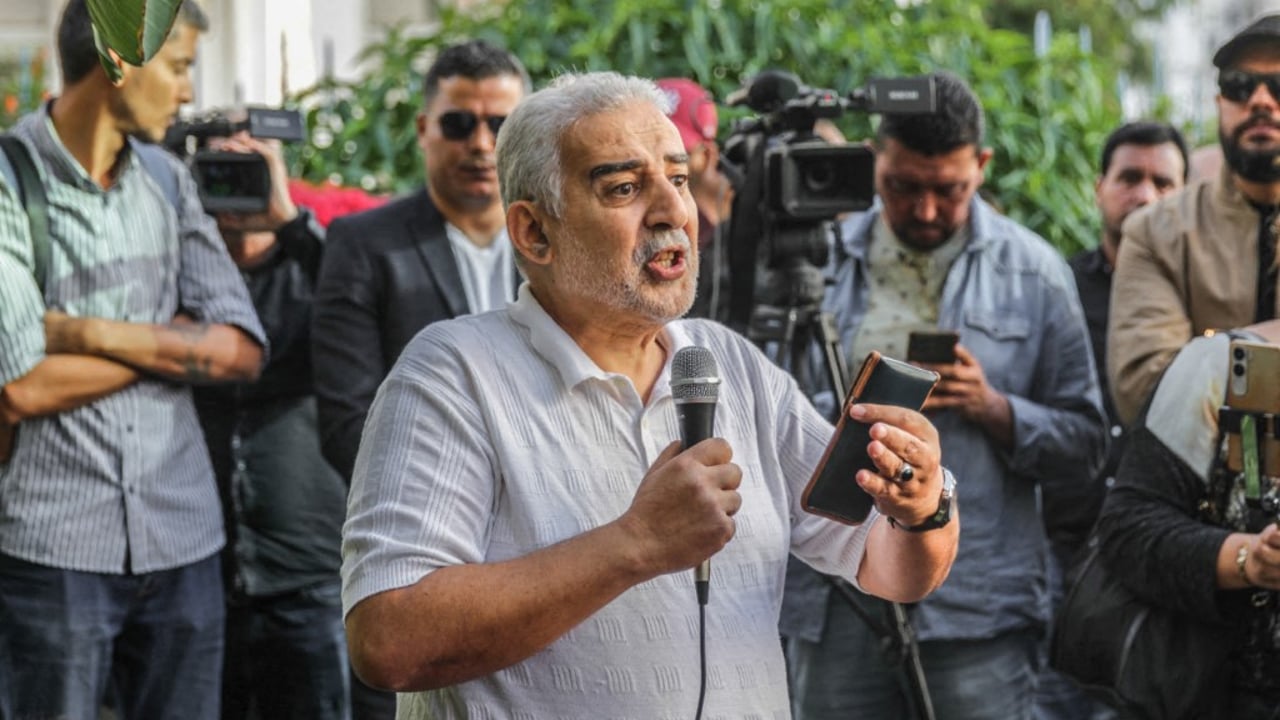
In Tunisia, the prominent journalist Zied el-Heni has been placed in detention following his outspoken criticism of the judicial decisions against fellow journalists. Known for his fierce critiques of President Kaïs Saïed's administration, el-Heni was arrested on April 24, 2026, and is facing charges of 'harming others' or their reputation. His arrest has raised concerns about freedom of expression in the country, particularly in light of his history of defending journalists who have been unjustly condemned.
El-Heni's legal troubles began after he made remarks during a conference at a law faculty in Tunis, where he condemned the judicial actions against his colleagues. His comments, which labeled the judges involved as 'criminals,' have been cited as the basis for his detention. According to his lawyer, Samir Dilou, el-Heni is being prosecuted under an article of the telecommunications code that prohibits harming others through public telecommunications networks, a charge that could lead to a prison sentence of up to two years.
The journalist's detention has sparked outrage among media professionals and human rights advocates, who view it as part of a broader crackdown on dissent in Tunisia. El-Heni has been a vocal critic of the current government, particularly since the political upheaval that began in 2011, which led to the ousting of former president Zine El Abidine Ben Ali. His commitment to press freedom and accountability has made him a target for the authorities, who have increasingly sought to silence critical voices in the media.
As the situation unfolds, el-Heni is scheduled to appear before the Tunisian court on April 30, 2026. His case is emblematic of the challenges faced by journalists in Tunisia, where the political climate has become increasingly hostile to free expression. Observers are closely monitoring the developments, as they could have significant implications for the future of journalism and civil liberties in the country.