
ADVERTISEMENT
Politics
Europe needs new military alliance to defend itself, Italy says
Italy's Defence Minister has proposed the formation of a new European military alliance to enhance security against rising threats from Russia and a diminishing commitment from the US.
Europe | Jun 8, 2026 | 1-2 min read | By Wadi News AI
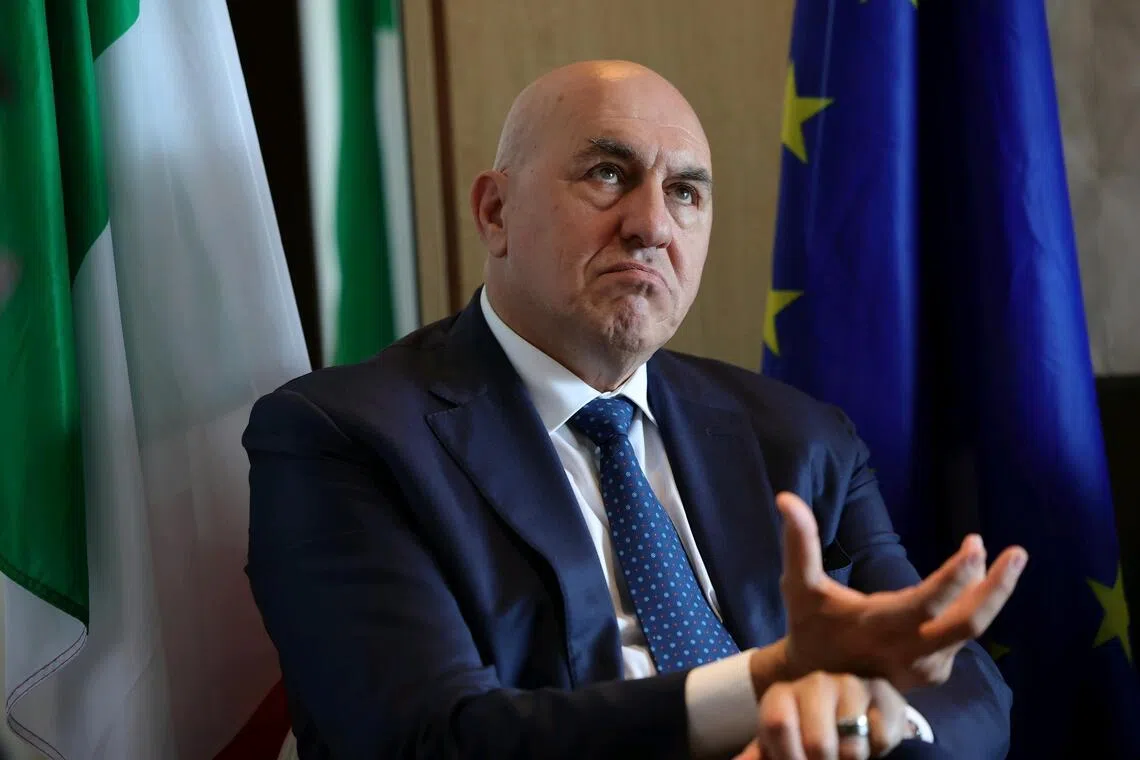
In a significant move, Italy's Defence Minister Guido Crosetto has called for the establishment of a new European defence alliance. This proposal comes in response to the increasing threats posed by Russia and a noticeable decline in the United States' willingness to ensure Europe's security. Crosetto emphasized that the current European Union framework is insufficient for addressing these challenges and that a broader coalition is necessary. He suggested that the alliance should include not only the 27 EU member states but also 13 other European nations that share similar security interests, such as the United Kingdom, Norway, Turkey, and Ukraine.
The urgency of this proposal is underscored by recent geopolitical developments. With Russia's aggressive posture and military actions in Eastern Europe, many European nations are feeling vulnerable. The US, traditionally seen as Europe's security guarantor, has shown signs of reducing its military presence and commitments in the region. This shift has raised alarms among European leaders, prompting calls for a more autonomous and robust European defence strategy. Crosetto's vision is to create a 'continental Europe of defence' that can respond effectively to external threats without relying solely on American support.
Crosetto's proposal has garnered attention not only within Europe but also from international observers. The idea of a new military alliance reflects a growing sentiment among European nations that they must take greater responsibility for their own security. This is particularly relevant as the global security landscape continues to evolve, with new threats emerging from various fronts. The proposed alliance aims to foster closer military cooperation, joint training exercises, and shared intelligence among member states, thereby enhancing collective security.
In conclusion, the call for a new European military alliance by Italy's Defence Minister highlights a critical moment in European security policy. As threats from Russia persist and US commitments wane, European nations must consider innovative approaches to safeguard their interests. The formation of such an alliance could mark a pivotal shift in how Europe approaches its defence strategy, moving towards a more unified and proactive stance in the face of global challenges.