
ADVERTISEMENT
Politics
Libya, Algeria, and Tunisia Commit to 'Equitable Exploitation' of Sahara Waters
In a significant agreement, Libya, Algeria, and Tunisia have pledged to ensure the sustainable and equitable use of the Sahara's groundwater resources during a meeting in Tripoli.
Algeria | May 1, 2026 | 1-2 min read | By Wadi News AI
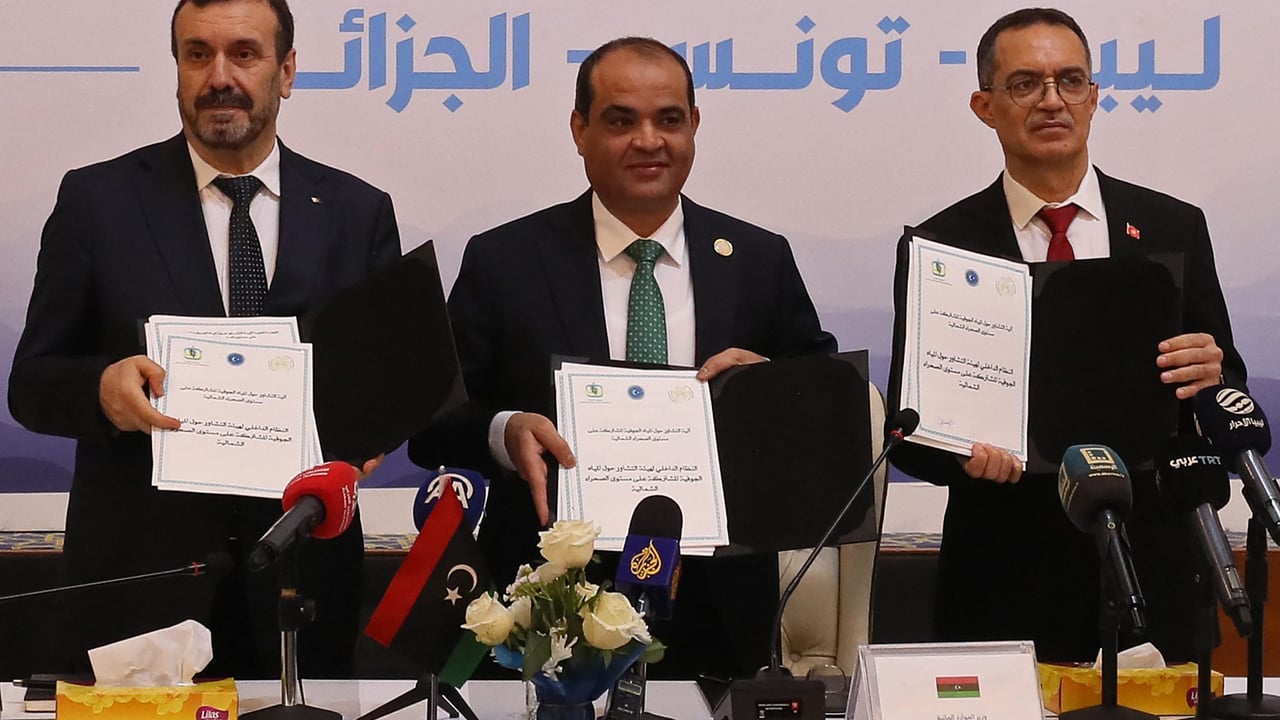
On April 29, 2026, Libya, Algeria, and Tunisia convened in Tripoli to discuss the management of the Sahara's northern groundwater resources, which are crucial for the region's sustainability. This meeting resulted in what has been termed the 'Tripoli Declaration,' emphasizing the need for enhanced coordination and exchange among the three nations to ensure a sustainable exploitation of these non-renewable freshwater reserves. The Sahara aquifer system is one of the largest underground water reserves globally, and its careful management is vital for the future of the region.
The leaders of the three countries recognized the importance of a collaborative approach to manage the aquifer, which has been utilized for centuries through various means, including surface wells and deeper drilling techniques. The aquifer is estimated to hold over 40,000 billion cubic meters of fossil water, with Algeria receiving the largest share, followed by Libya and Tunisia. This distribution highlights the need for a fair allocation mechanism to prevent conflicts and ensure that all parties benefit from this precious resource.
In a previous agreement made in April 2024, the presidents of Tunisia, Algeria, and the head of Libya's Presidential Council had established a 'consultation mechanism' aimed at managing the sharing of this vital resource. This mechanism is designed to protect the aquifer from over-exploitation and pollution, which are significant threats given the increasing demand for water and the impacts of climate change. Algeria has taken the lead in this consultative body, which will operate on a rotating presidency for three years.
The Libyan Minister of Water Resources, Hosni Awedane, stressed the necessity for optimal exploitation of the aquifer in light of the growing water demand and climate challenges. Meanwhile, Tunisia's Minister of Agriculture, Ezzeddine Ben Cheikh, welcomed the initiative, noting the critical context of diminishing food security in North Africa due to water scarcity and environmental degradation. The collaborative efforts of Libya, Algeria, and Tunisia signify a proactive step towards sustainable water management in a region where water is increasingly becoming a scarce commodity.